



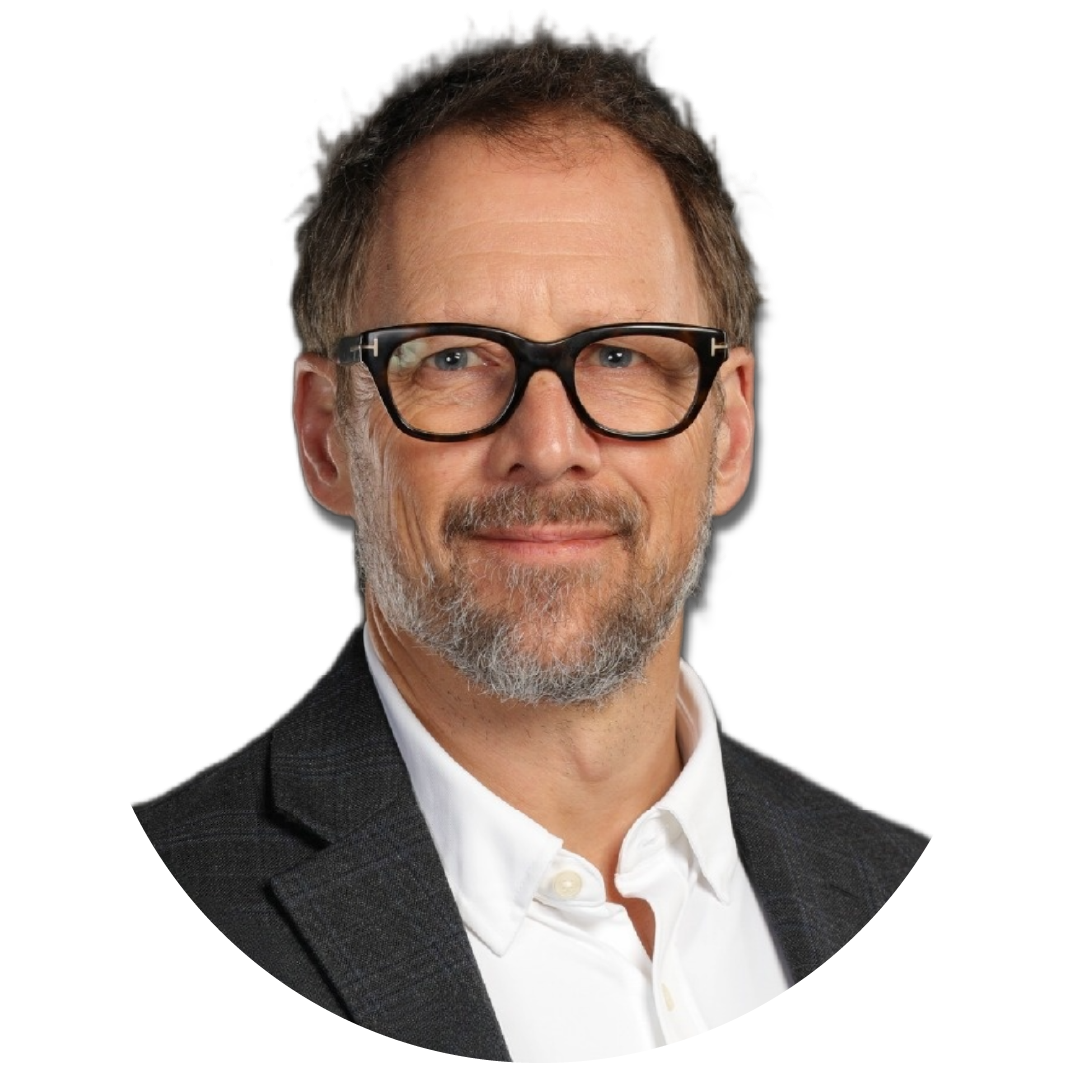


In this episode, Lucas Hendrich, CTO at Forte Group, sits down with Robert Stewart, CTO at Arbital Health, to explore the intersection of healthcare technology, AI, and engineering culture in one of the most complex sectors in the economy.
"We created a position that I don't know if it exists anywhere else: an actuarial engineer."
Rather than training engineers to understand actuarial science, Robert's team takes actuaries (experts who've passed rigorous exams and understand complex healthcare finance) and teaches them to code. With AI-powered coding tools, this unconventional approach is proving remarkably successful, allowing subject matter experts to build production features themselves.
"AI makes value-based care easier to administer by removing the operational friction.
Value-based care shifts incentives from volume to outcomes, but measuring those outcomes creates significant administrative burden. Arbital Health's platform ingests fragmented healthcare data, applies actuarial models, and provides clear visualizations that both payers and providers can understand, reducing friction while maintaining transparency.
"I focused very much on inclusivity: about half our hackathon participants weren't from engineering or product."
Over 27 hackathons at his previous company, Robert perfected a formula: open participation to all departments, reward cross-functional teams, and focus on mission-driven innovation rather than backlog work. The result? During COVID, 150 people participated in a remote hackathon that produced 11 production features, including work that led to powering vaccines.gov.
"Healthcare interoperability is a major problem because of financial incentives and distribution."
Unlike telecommunications, where incompatibility would be fatal, healthcare systems were often built in isolation with limited incentive to share data. Combined with legacy systems from the 70s and 80s, regulatory complexity, and genuine privacy concerns, the industry faces challenges that aren't purely technical: they're structural.
"Having a mentor who understood not just engineering but finance changed my career."
Early in his career, Robert worked with a leader who demonstrated that great CTOs don't just manage code: they understand the business, talk to customers, and develop empathy for what motivates each team member. That experience shaped his philosophy: organizations should operate intentionally, not by routine or comfort level.
Stay tuned for more conversations at the intersection of technology, product, and growth on CTO2CTO.