

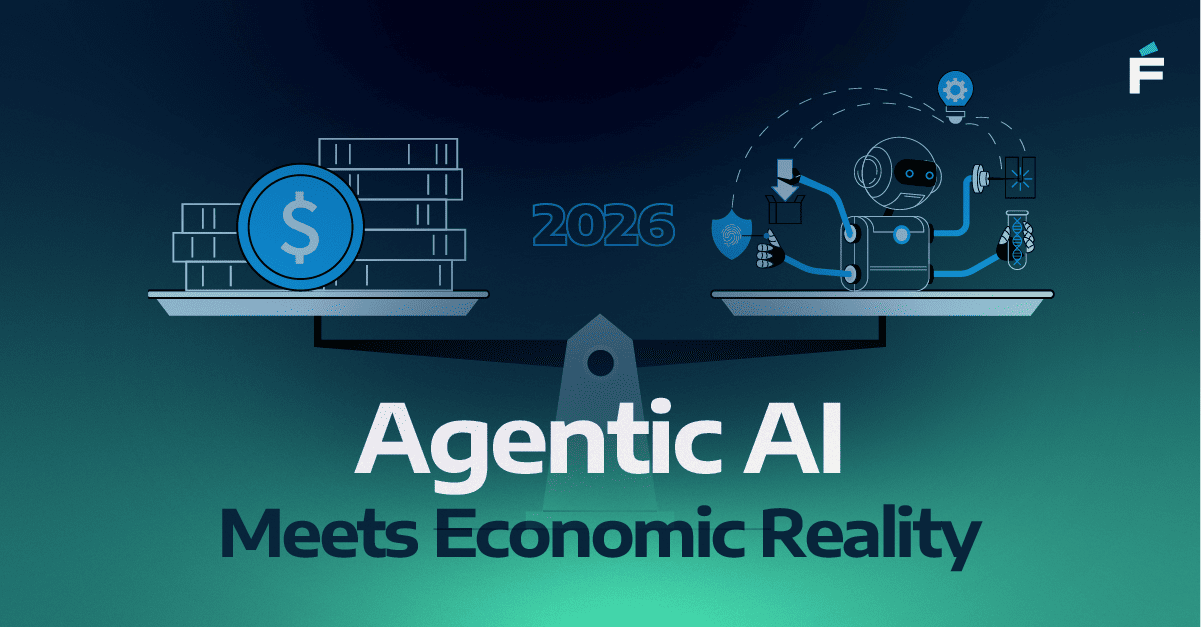

In 2026, CTOs must reconcile the data demands of autonomous agents with an escalating data engineering cost crisis. We must shift from basic pipelines to context-rich data systems while maintaining strict economic discipline to ensure ROI.
The technological landscape has shifted from experimental Large Language Models to the operational reality of autonomous agents. We are no longer simply querying a model for information; we are deploying systems that plan and act. These agents require more than just raw data; they require deep context to be effective.
Context engineering is now a foundational discipline for any modern technology organization. It involves embedding semantic, temporal, and relational context directly into our data systems. Vector databases have transitioned into core infrastructure, serving as the long-term memory for these agentic systems. We must provide the metadata that explains business meaning and data reliability for agents to function.
While we build these sophisticated systems, we must address the hidden cost crisis bleeding technology budgets. Cloud costs for compute and storage are ballooning as we process complex, multimodal data. Many organizations find that data engineers spend 40 percent of their time fixing broken pipelines. This inefficiency is the result of resilient but fundamentally expensive and unoptimized architectures.
Storage waste, redundant datasets, and unoptimized queries lead to significant overage shock when bills arrive. If we do not implement rigorous data observability, the cost of AI will exceed its value. Technology leaders must prioritize FinOps to ensure that data initiatives remain sustainable and profitable. We must move beyond "pipelines" and toward "data products" that carry cost-governance rules.
The path forward involves a strategic synthesis of agentic requirements and economic rationality. This is achieved through active metadata management to automate the lifecycle of our data. When we understand how agents use data, we can automatically archive unused datasets. This reduces the burden on engineering teams and lowers the overall cloud infrastructure footprint.
While the potential of agentic AI is vast, we must remain pragmatic about our current limitations.
The mandate for 2026 is to stop building for output and start building for strategic outcomes. This requires a disciplined approach that prioritizes context for AI and fiscal responsibility for the business.
Let's talk about where you are today and where you want to go - our experts are ready to help you move forward.